
Lower heating and cooling costs
Insulating the cavity reduces the rate of heat flow through external walls. In winter this keeps warmth inside, and in summer it slows heat gain from the hot northerly winds that Craigieburn often experiences.
Craigieburn Wall Insulation
Expert Insulation Melbourne installs cavity wall insulation in Craigieburn brick veneer homes to cut winter heat loss and draughts through external walls.
Share your details and Expert Insulation Melbourne will contact you about Cavity Wall Insulation in Craigieburn.
Cavity wall insulation fills the gap between the inner and outer leaf of brick veneer walls with insulating material. In Craigieburn, this is a practical way to improve thermal resistance in many 1970s to 2000s homes built with a hollow cavity. The process uses small holes drilled into the mortar, through which loose-fill or injected foam insulation is placed, then the holes are patched to match the existing brickwork.
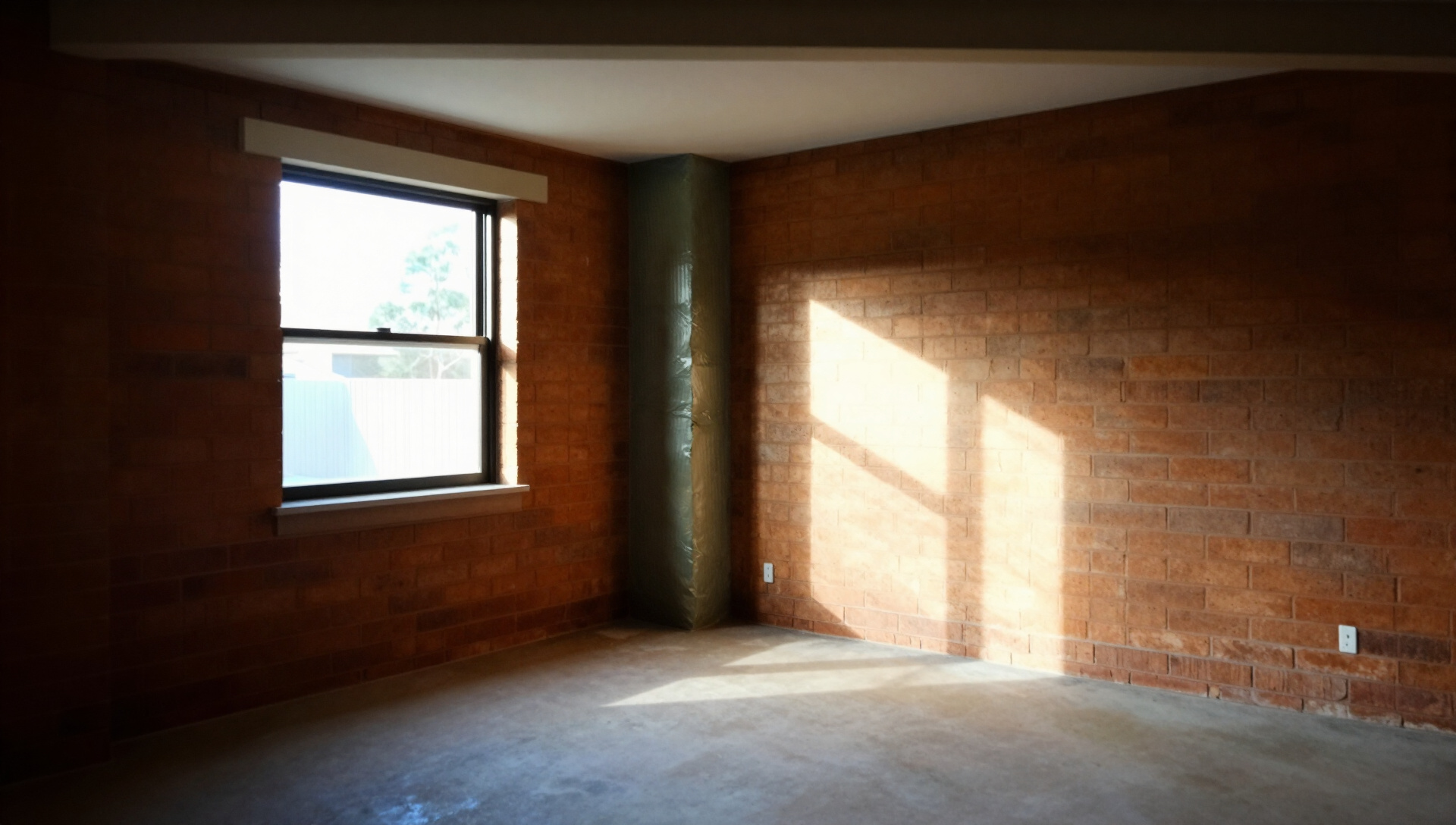
Craigieburn’s cold winters and hot summers expose uninsulated brick veneer walls to significant heat transfer. Cavity wall insulation addresses this by adding a thermal barrier within the wall structure, which is especially effective in the area’s newer estates where many homes were built with uninsulated cavities.
Insulating the cavity reduces the rate of heat flow through external walls. In winter this keeps warmth inside, and in summer it slows heat gain from the hot northerly winds that Craigieburn often experiences.
Uninsulated cavities allow air movement that creates draughts and cold patches near walls. Filling the cavity stops this airflow, making rooms more consistently comfortable.
The work is done from outside the home, so there is no need to remove plaster, cornices or skirting boards. This keeps the job cleaner and faster than retrofitting bulk insulation into wall frames.
While primarily a thermal solution, cavity insulation also dampens external noise such as traffic from Mickleham Road, making indoor spaces quieter.
Modern cavity insulation materials are moisture-resistant and do not settle or degrade over time, maintaining their R-value for the life of the building.
The installation process leaves the internal wall surfaces untouched, so paint, wallpaper and cornices remain intact. Only small, colour-matched patches on the exterior mortar are visible.
The installation follows a systematic approach to ensure the cavity is fully filled without damaging the brickwork or internal finishes. Each step is tailored to the home’s wall type and condition.
A site assessment checks the wall construction, cavity width and condition of the brickwork. If the cavity contains debris or moisture issues, these are addressed before insulation is installed. Old insulation that may contain asbestos will stop work until a qualified assessor inspects it.
Small holes are drilled into the mortar joints at regular intervals, usually every 500 to 600 mm. These provide entry points for the insulation material without weakening the brickwork.
Loose-fill insulation or foam is injected into the cavity through the holes, starting from the bottom and working upwards. The installer ensures even distribution and avoids overfilling that could bridge the cavity.
Once the cavity is filled, the access holes are sealed with colour-matched mortar to restore the wall’s appearance. Any excess material is cleaned from the exterior, leaving no visible signs of the work.
Craigieburn’s mix of newer estates and established suburbs includes many brick veneer homes built from the 1980s onwards. These properties often have uninsulated wall cavities, which contribute to heat loss in winter and heat gain in summer. Cavity wall insulation is a cost-effective upgrade that improves thermal performance without the need for internal renovations. Nearby suburbs like Mickleham and Roxburgh Park share similar housing stock and climate conditions, making this solution widely applicable across the area.
Improve thermal comfort in Craigieburn brick veneer homes with cavity wall insulation.
Homeowners in Craigieburn often have questions about how cavity wall insulation works, its suitability and the installation process. Here are answers to the most common queries.
Expert Insulation Melbourne provides cavity wall insulation in Craigieburn for brick veneer and suitable double brick homes. This service targets the hollow space between the inner and outer layers of external walls, filling it with insulating material to reduce heat transfer. In Craigieburn’s climate, this upgrade helps maintain indoor temperatures, cutting the workload on heating and cooling systems.
The process begins with an inspection to confirm the wall type and cavity condition. Small holes are drilled into the mortar, and insulation is injected to achieve even coverage. The holes are then sealed to match the existing brickwork. This method avoids the need to remove internal wall linings, making it a practical choice for established homes in Craigieburn and surrounding areas like Mickleham.
Cavity wall insulation is particularly effective in Craigieburn due to the suburb’s exposure to cold winters and hot summers. It addresses draughts and cold spots near external walls, improving comfort and energy efficiency. The typical R-value for cavity insulation ranges from R2.0 to R2.7, providing a meaningful boost to the home’s thermal resistance without structural changes.
Expert Insulation Melbourne installs cavity wall insulation in Craigieburn to improve thermal comfort and reduce energy costs. Call us to discuss your home’s needs.